Only for educational purposes. No guaranteed results.

Exploring Dietary Essentials for Men's Vitality and Wellness

Understanding the fundamental nutritional principles that support healthy living. This educational resource provides evidence-based information about how food, water, and lifestyle choices contribute to overall well-being.

Fresh wholesome foods

Understanding Macronutrients: The Building Blocks

Macronutrients are the primary nutrients your body requires in large quantities to function effectively. They provide energy, support growth and repair, and maintain essential bodily functions. The three macronutrient categories—proteins, carbohydrates, and fats—each play distinct and vital roles in nutrition and overall health.

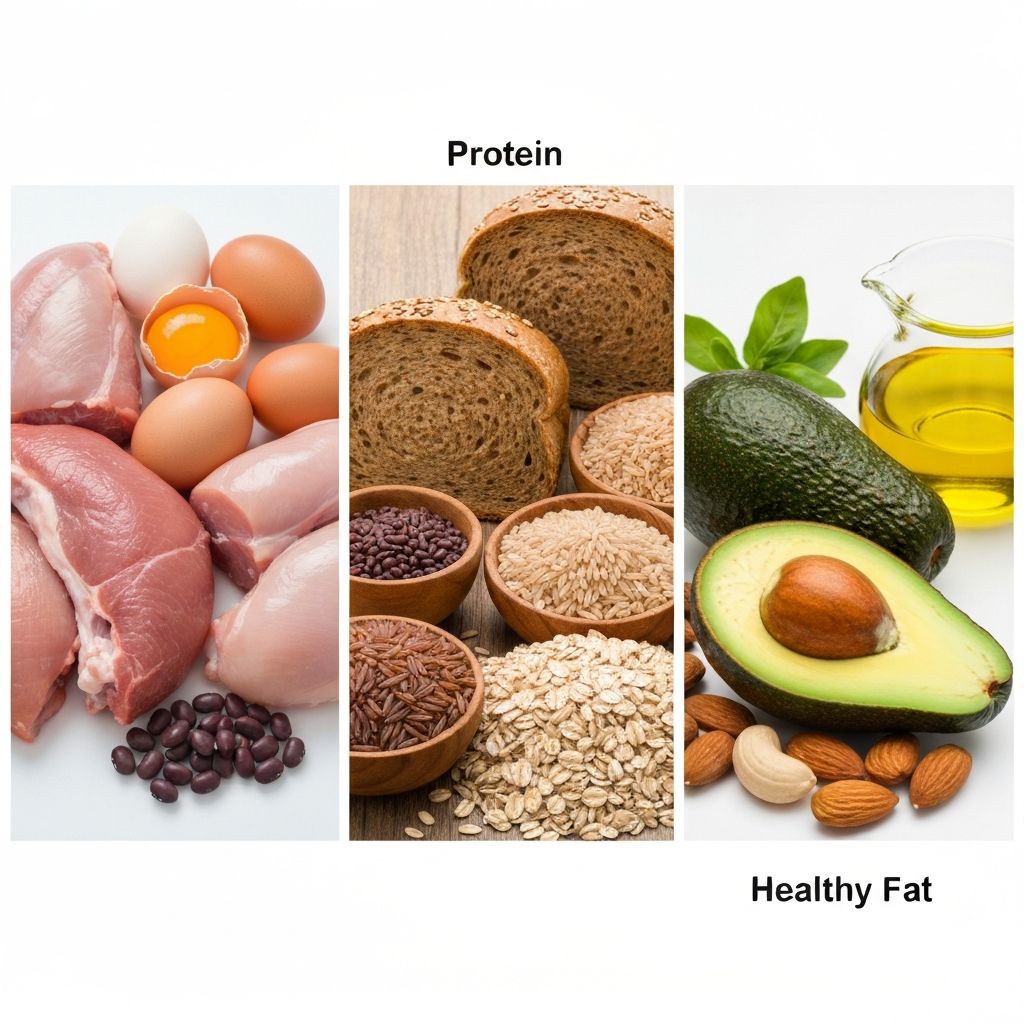
Proteins are complex molecules composed of amino acids. They are essential for building and repairing tissues, producing enzymes and hormones, and supporting immune function. Carbohydrates provide quick energy and are crucial for brain function and athletic performance. Fats are vital for hormone production, nutrient absorption, and cell structure.

  • Proteins: Eggs, poultry, fish, legumes, nuts
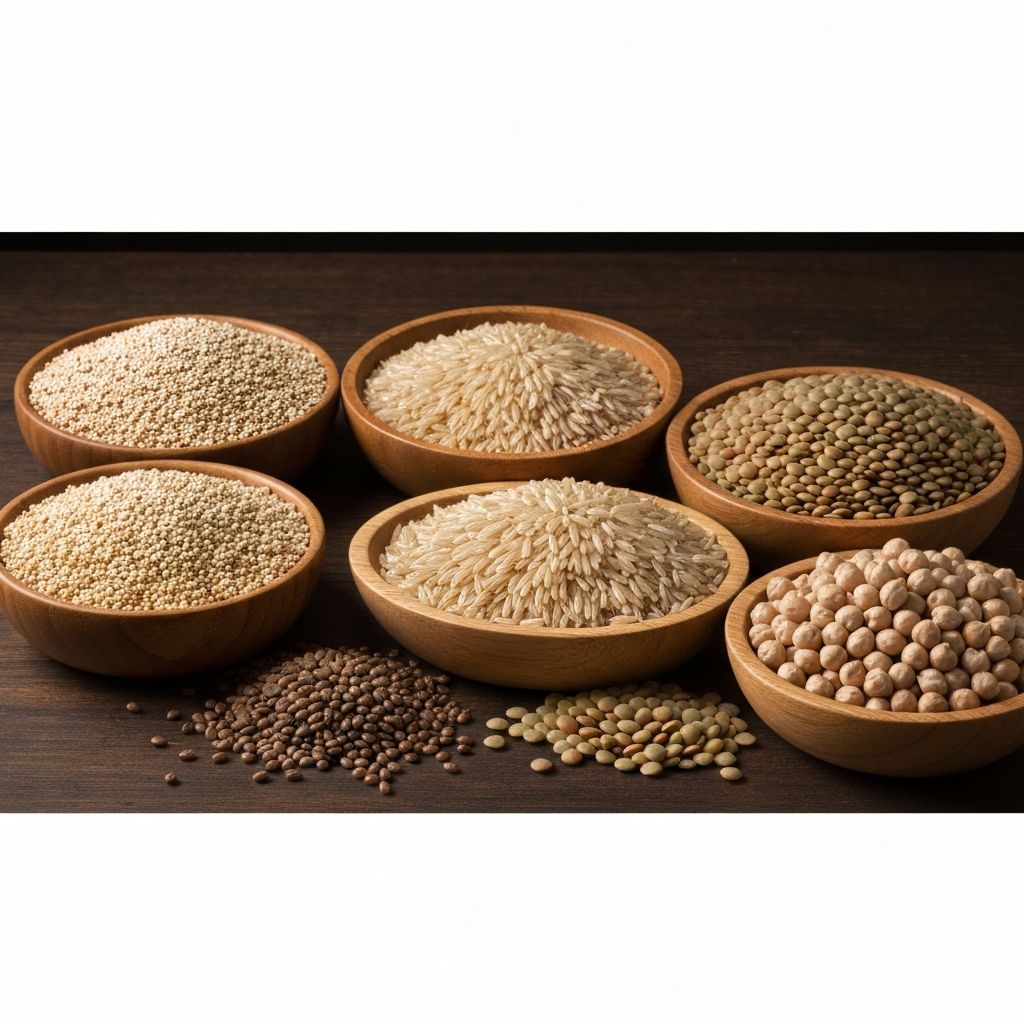
  • Carbohydrates: Whole grains, oats, brown rice, sweet potatoes
  • Healthy Fats: Avocados, olive oil, nuts, fatty fish
Learn More
Macronutrient sources

Micronutrients Explained: Vitamins and Minerals

While needed in smaller quantities, micronutrients are absolutely essential for optimal health. Vitamins and minerals regulate metabolism, strengthen bones, support immune response, and facilitate countless biochemical reactions within the body.

Vitamin D

Supports bone health, immune function, and mood regulation. Found in fatty fish, egg yolks, and fortified dairy products. Natural synthesis occurs through sun exposure.

Vitamin B12

Essential for nerve function, DNA synthesis, and red blood cell formation. Primarily sourced from animal products like meat, fish, and dairy. Plant-based sources require fortification or supplementation.

Iron

Critical for oxygen transport and energy production. Red meat, poultry, beans, and leafy greens are excellent sources. Heme iron from animal sources is more readily absorbed.

Magnesium

Supports muscle and nerve function, energy production, and stress management. Found in nuts, seeds, whole grains, leafy greens, and legumes.

Zinc

Important for immune function, wound healing, and protein synthesis. Concentrated in shellfish, beef, poultry, and legumes.

Selenium

Functions as an antioxidant and supports thyroid health. Brazil nuts, fish, poultry, and eggs are reliable dietary sources.

The Role of Hydration in Men's Health

Water is fundamental to human physiology. It constitutes approximately 60% of body weight and participates in virtually every biological process—from nutrient transport and temperature regulation to cognitive function and physical performance.

Adequate hydration supports cardiovascular health, maintains proper kidney function, lubricates joints, and aids digestion. Dehydration can impair cognitive performance, reduce physical endurance, and negatively impact mood and focus.

General hydration guidelines: Most adults require approximately 8-10 glasses of water daily, though individual needs vary based on climate, activity level, and diet. Fruits and vegetables high in water content—such as cucumbers, watermelon, and leafy greens—also contribute to daily fluid intake.

Discover Information
Hydration and water

Antioxidants and Phytochemicals: Natural Protectors

Antioxidants are compounds found naturally in foods that help protect cells from oxidative stress—a process linked to aging and various health conditions. Phytochemicals are bioactive substances produced by plants.

Antioxidant Type General Benefits Food Sources
Flavonoids Support cardiovascular health, promote mental clarity Berries, dark chocolate, tea, apples, red wine
Carotenoids Support eye health, reduce oxidative stress Carrots, sweet potatoes, spinach, kale
Polyphenols Provide anti-inflammatory support, support cellular health Berries, nuts, olive oil, green tea, whole grains
Vitamin E Protects cells, supports skin and immune health Almonds, sunflower seeds, olive oil, avocados
Vitamin C Supports immune function, collagen synthesis Citrus fruits, berries, bell peppers, broccoli
Access Details

Building a Balanced Plate: Practical Principles

A balanced diet is built on simple principles that guide daily food choices. These principles are flexible, adaptable to individual preferences and cultural backgrounds, and designed to promote sustainable healthy eating habits.

Balanced meal composition

Balance and Proportion

A balanced plate typically contains portions of lean protein, whole grains, and vegetables. This composition supports sustained energy, satiety, and comprehensive nutrient intake throughout the day.

Variety of vegetables

Variety is Essential

Different foods contain different nutrient profiles. Incorporating a diverse range of vegetables, fruits, proteins, and grains ensures comprehensive micronutrient intake and supports overall well-being.

Whole grains and legumes

Whole Foods First

Prioritizing whole, minimally processed foods over refined alternatives provides greater nutritional density, more sustained energy, and better support for long-term health goals.

Learn About Principles

Nutritional Myths vs. Facts

Navigating nutrition information can be challenging. Below, we address common misconceptions with evidence-based facts to support informed understanding.

Myth: All fats are harmful to health

+

Fact: Not all fats are equal. Healthy fats—such as monounsaturated and polyunsaturated fats from sources like olive oil, avocados, and fatty fish—are essential for heart health, brain function, and nutrient absorption. Saturated fats consumed in moderation are also part of a balanced diet. Trans fats, however, should be minimized.

Myth: Carbohydrates cause weight gain

+

Fact: Carbohydrates are a primary energy source and are essential for brain, nerve, and muscle function. The quality of carbohydrates matters. Whole grains, legumes, and vegetables provide sustained energy and vital nutrients, while refined carbohydrates may lack nutritional density. Overall caloric intake, activity level, and diet composition determine weight management outcomes.

Myth: Eating protein with every meal promotes muscle growth

+

Fact: Protein is essential for muscle maintenance and repair, but muscle development requires adequate protein intake combined with resistance training and overall caloric balance. Spreading protein intake throughout the day supports satiety and muscle synthesis. Individual protein requirements vary based on activity level, age, and fitness goals.

Myth: Skipping meals accelerates weight loss

+

Fact: Skipping meals often leads to overeating later, disrupts metabolic rhythm, and may reduce nutrient intake. Regular, balanced meals support stable blood sugar, consistent energy levels, and sustainable dietary habits. Individual meal patterns vary; what matters is overall nutrition and consistency.

Explore More Concepts

Important Context and Limitations

This website is designed for educational purposes only and is not a substitute for professional medical advice, diagnosis, or treatment. The information presented is based on general nutritional science and should not be considered personalized recommendations.

  • Individual nutritional needs vary significantly based on age, activity level, metabolism, existing health conditions, and genetic factors.
  • This resource does not offer medical diagnoses, treatment plans, or cures for specific health conditions.
  • Dietary approaches that work for one individual may differ from those beneficial to another.
  • Significant dietary changes should be discussed with qualified healthcare professionals or registered dietitians.