
Micronutrients: Vitamins and Minerals Explained

While needed in smaller quantities than macronutrients, micronutrients are absolutely essential for optimal health. Vitamins and minerals regulate metabolism, support immune function, enable energy production, and facilitate thousands of biochemical reactions within the body.

Nutrient-rich vegetables

Vitamins: Organic Compounds with Vital Functions

Vitamins are organic compounds that your body cannot produce in sufficient quantities and must obtain through diet. They are classified as either fat-soluble (A, D, E, K) or water-soluble (B vitamins, vitamin C).

Vitamin A

Essential for eye health, immune function, and skin health. Found in sweet potatoes, carrots, spinach, kale, and liver. Supports night vision and cellular growth.

Vitamin D

Regulates calcium absorption for bone health, supports immune function, and influences mood. Sources include fatty fish, egg yolks, fortified dairy, and sunlight exposure.

Vitamin E

Functions as an antioxidant, protecting cells from oxidative damage. Found in nuts, seeds, vegetable oils, and leafy greens. Supports skin and immune health.

Vitamin K

Essential for blood clotting and bone health. Rich sources include leafy greens, broccoli, Brussels sprouts, and fermented foods. Two main forms: K1 and K2.

Vitamin B12

Critical for nerve function, DNA synthesis, and red blood cell formation. Primarily found in animal products. Plant-based individuals require fortified sources or supplementation.

Vitamin C

Supports immune function, collagen synthesis, and acts as an antioxidant. Abundant in citrus fruits, berries, bell peppers, broccoli, and tomatoes. Water-soluble and not stored in the body.

B Complex Vitamins: Energy Production and Nervous System Support

The B vitamin complex includes eight water-soluble vitamins that work synergistically to support energy production, nervous system function, and cellular metabolism. These vitamins are not stored in the body and must be obtained regularly through diet.

  • B1 (Thiamine): Supports carbohydrate metabolism and nervous system health. Found in whole grains, pork, legumes.
  • B2 (Riboflavin): Essential for energy production and cell growth. Sources include eggs, almonds, mushrooms, dairy.
  • B3 (Niacin): Supports DNA repair and energy metabolism. Abundant in chicken, tuna, mushrooms, peanuts.
  • B5 (Pantothenic Acid): Involved in hormone and cholesterol production. Found in avocados, mushrooms, eggs, chicken.
  • B6 (Pyridoxine): Essential for protein metabolism and neurotransmitter synthesis. Sources include chickpeas, bananas, salmon.
  • B7 (Biotin): Supports hair, skin, and nail health. Found in eggs, almonds, sweet potatoes, spinach.
  • B9 (Folate): Critical for DNA synthesis and cell division. Rich sources include leafy greens, legumes, asparagus.
  • B12 (Cobalamin): Essential for nerve function and red blood cell formation. Primarily in animal products.
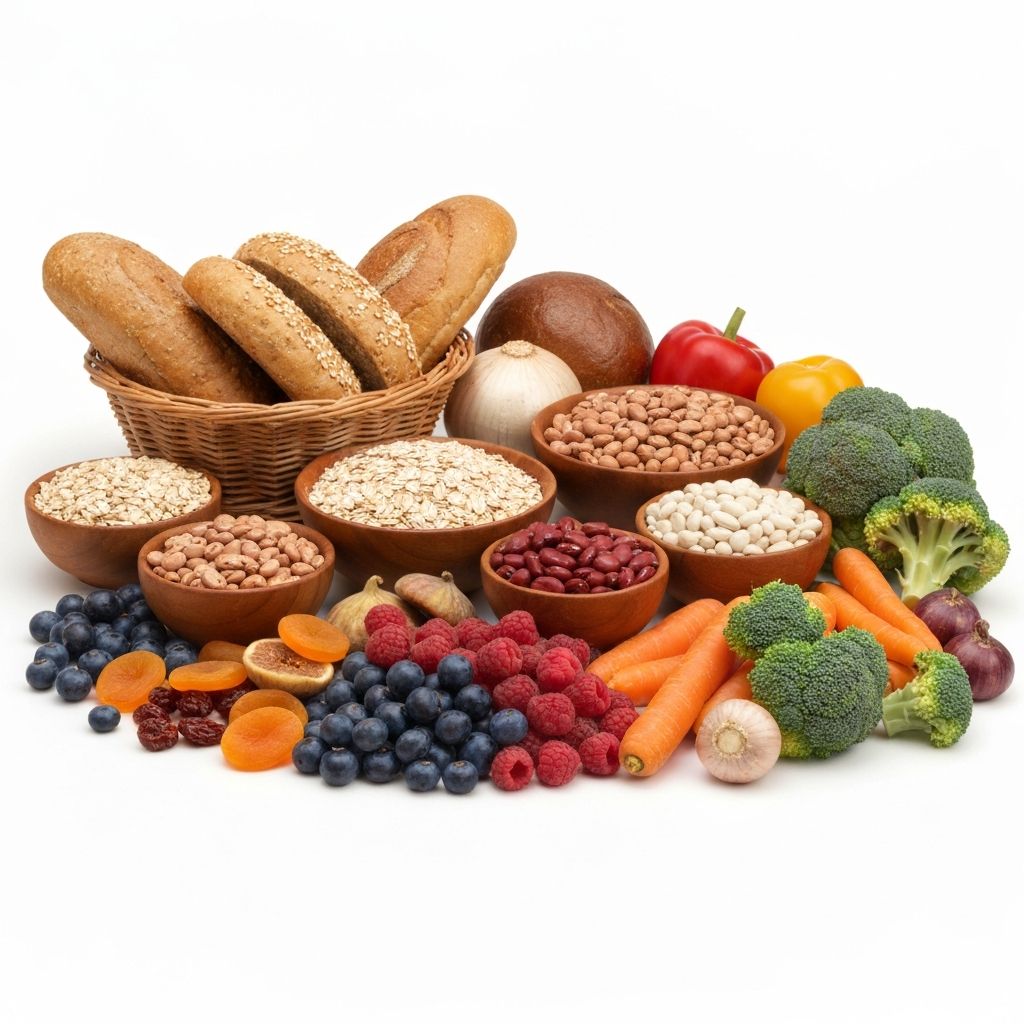
High-fiber and nutrient-rich foods

Essential Minerals: Building Blocks and Regulators

Minerals are inorganic elements that serve as structural components of bones and teeth, regulate muscle and nerve function, maintain fluid balance, and enable energy production.

Mineral Key Functions Rich Food Sources
Calcium Bone and teeth structure; muscle contraction; nerve transmission Dairy products, leafy greens, fortified plant milks, sardines
Iron Oxygen transport; energy production; immune function Red meat, poultry, legumes, spinach, fortified cereals
Magnesium Muscle and nerve function; energy production; stress management Nuts, seeds, whole grains, leafy greens, legumes
Zinc Immune function; wound healing; protein synthesis Shellfish, beef, poultry, legumes, seeds
Phosphorus Bone formation; energy production; cell structure Meat, fish, poultry, dairy, nuts, legumes
Potassium Fluid balance; muscle contraction; heart function Bananas, potatoes, beans, avocados, spinach
Selenium Antioxidant function; thyroid health; DNA synthesis Brazil nuts, fish, poultry, eggs, whole grains
Copper Iron absorption; collagen synthesis; antioxidant function Shellfish, nuts, seeds, whole grains, legumes

Micronutrient Deficiencies and Common Risk Factors

Limited Dietary Variety

Relying on a narrow range of foods increases the risk of missing essential micronutrients. A diverse diet featuring various vegetables, fruits, proteins, and whole grains supports comprehensive nutrient intake.

Restrictive Diets

Certain dietary approaches may inadvertently restrict access to key nutrients. Vegetarian and vegan diets require particular attention to vitamin B12, iron, and certain minerals.

Digestive Health

Certain gastrointestinal conditions can impair nutrient absorption. Celiac disease, Crohn's disease, and irritable bowel syndrome may affect micronutrient status.

Medications

Some medications can interfere with nutrient absorption or increase excretion. Individuals taking long-term medications should discuss potential nutrient interactions with healthcare providers.

Age-Related Changes

Aging affects nutrient absorption and metabolism. Older adults may require different amounts of certain nutrients, including vitamin D, B12, and calcium.

Intense Physical Activity

Athletes and highly active individuals may have increased micronutrient needs, particularly for iron, magnesium, and antioxidant vitamins due to increased metabolic demands.

Dietary Strategies to Optimize Micronutrient Intake

Practical Approaches

  • Eat the Rainbow: Consuming foods of various colors ensures exposure to different phytonutrients and micronutrients. Red tomatoes, orange carrots, green leafy vegetables, blue berries, and white mushrooms each offer unique nutrient profiles.
  • Choose Whole Foods: Minimally processed foods retain more micronutrients compared to highly refined versions. Whole grains, fresh vegetables, and unprocessed proteins are superior sources.
  • Include Organ Meats: Liver and other organ meats are exceptionally nutrient-dense, containing high concentrations of vitamins A, B vitamins, iron, and selenium.
  • Combine Foods Strategically: Certain combinations enhance micronutrient absorption. For example, consuming vitamin C-rich foods (citrus, peppers) with iron-rich foods (legumes, spinach) increases iron absorption.
  • Consider Cooking Methods: While some nutrients are lost through cooking, proper preparation can enhance absorption of others. Lightly cooking tomatoes increases lycopene availability.
Balanced meal composition

Important Context and Limitations

This information is provided for educational purposes to support basic understanding of micronutrient functions and dietary sources. It is not personalized medical or nutritional advice.

  • Individual micronutrient requirements vary based on age, sex, activity level, health status, and metabolism.
  • If you have specific health conditions, take medications, or follow restrictive diets, consult with qualified healthcare professionals or registered dietitians about micronutrient needs.
  • This resource does not diagnose or treat micronutrient deficiencies.
  • Professional assessment and blood work may be necessary to determine individual micronutrient status.